Fishing Tshirt Sublimation: A Practical Guide to Custom Sportswear
The surge in personalized outdoor apparel has found a natural partner in dye‑sublimation. For fishing enthusiasts, whether you spend weekends on the lake or run a professional guide service, the ability to create durable, vibrant, and fully customized shirts is transforming how you express your passion. Fishing tshirt sublimation offers a route to clothing that performs as well as it looks, marrying technical fabric benefits with vivid, all‑over prints that traditional methods struggle to match.
Sublimation printing uses heat to transfer dye directly into polyester fibers, resulting in a print that becomes part of the fabric rather than sitting on top. This means no peeling, cracking, or fading over time, ideal for shirts worn in sun, water, and repeated washes. For anyone considering custom fishing apparel, understanding this process and its practical advantages can save time, money, and disappointment.
What Makes Sublimation Ideal for Fishing Shirts?
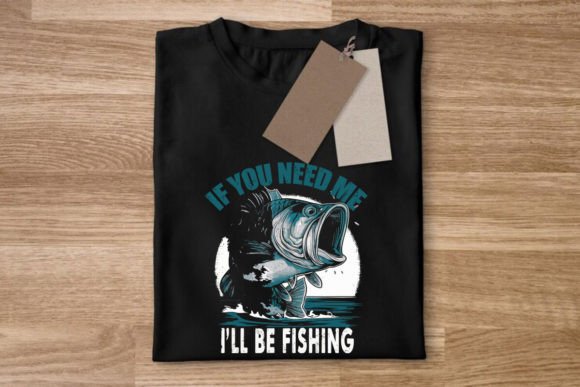
Fishing demands clothing that handles sun and moisture. Polyester blends common in performance wear respond well to sublimation, allowing full‑color artwork to wrap around sleeves, collars, and hems without restricting breathability or flexibility. Unlike screen printing, there are no limits on the number of colors or gradients, so a detailed bass jumping scene or a subtle blue‑water fade becomes possible without extra cost.
Moreover, the print does not add weight or stiffness. A sublimated fishing shirt remains light, quick‑drying, and comfortable through long days on the water. Ultraviolet resistance also improves because the dye becomes embedded and blocks some UV rays, though it’s still wise to wear sun protection underneath. For custom apparel creators and businesses outfitting tournament teams or fishing clubs, these features build a compelling case for sublimation over alternative decoration methods.
Why Attention to Sublimated Fishing Apparel Is Growing
Several trends are pushing custom fishing shirts into the spotlight. First, the rise of outdoor lifestyles among adults 20–50 has blurred the line between specialized gear and everyday clothing. A sublimated shirt featuring a favorite lake map or a conservation message works equally well on the boat, at a cookout, or during errands. Second, small creators and entrepreneurs are leveraging on‑demand printing to serve niche audiences without inventory risk. Instead of ordering minimum quantities of screen‑printed shirts, they can offer unique designs on a per‑order basis.
Third, social media and online marketplaces have made visual impact critical. A fishing guide who posts a photo of a client wearing a custom‑designed shirt that incorporates the company logo and a local species creates a more memorable impression than a plain polo. The trend is toward garments that tell a story, and sublimation allows those stories to be vivid and detailed. As more people seek meaningful connections to their hobbies, personalized apparel becomes a natural extension.
Evolution of the Technique and Its Fit for Today’s Market
Dye‑sublimation has been used for decades, mainly for flags, banners, and synthetic fabrics. Its shift into apparel began as polyester blends improved and heat‑press technology became more accessible. Early on, the need for high‑resolution artwork and careful color management kept some creators away. Today, affordable desktop sublimation printers and quality blanks have lowered the barrier, yet the process still requires attention to fabric content and design preparation. Plain cotton cannot be sublimated; the shirt must contain at least 65% polyester (ideally 100%) for the dye to take hold properly.
This limitation has pushed blank manufacturers to develop polyester blends that feel soft while still accepting sublimation. For fishing shirts, this evolution aligns perfectly. Lightweight, moisture‑wicking, and even UPF‑rated polyester shirts are now common inventory items for print‑on‑demand suppliers. Creators no longer need to worry about the sticky, plasticky feel that early sublimated shirts sometimes had. The modern fabric feels natural, and the print is virtually indestructible with proper care.
Practical Implications for Creators and Businesses
If you are thinking about offering custom fishing shirts, understanding the production workflow is essential. You will need a sublimation printer, specialty ink, transfer paper, a heat press, and polyester blanks. The design must be mirrored before printing, and heat and pressure must be consistent to avoid ghosting or uneven transfer. For small‑scale operations, a hobby‑grade printer and a clamshell heat press can produce excellent results once you dial in time and temperature for your specific fabric.
Designing for sublimation requires a few shifts in thinking. White areas in your artwork will remain the color of the shirt; the dye cannot add white. This means you should design with transparency or use lighter shirt colors for pastel images. Also, because the print wraps around seams, you need to account for seam displacement in your template. Many experienced creators recommend creating a mock‑up on a stock photo to check alignment before pressing.
For the Fishing Enthusiast Buyer
If you are purchasing a sublimated fishing shirt, expect to pay slightly more than a standard screen‑printed tee, especially for small quantities. However, the durability often justifies the cost. Wash the shirt inside out in cold water and avoid fabric softeners that can coat the fibers and reduce breathability. With proper care, the print should last years without noticeable fading. Look for sellers who use 100% polyester performance fabrics and offer a range of sizes, as sublimation does not have the same shrinkage issues as cotton after the initial pressing.
Real‑World Examples and Observations
Customized fishing apparel has found a strong foothold in tournament teams and local guide services. A bass fishing club I spoke with recently switched from embroidered polo shirts to sublimated jerseys. They wanted full‑color logos, sponsor names, and individual angler numbers on the back. The result was a uniform that looked professional on camera and kept anglers cool during summer tournaments. For guide services, offering a take‑home shirt printed with the day’s catch or a map of the lake creates a memorable souvenir that often leads to word‑of‑mouth referrals.
On Etsy and similar platforms, independent shops have emerged specializing in fishing‑themed gifts and apparel. Many sellers note that designs inspired by local waters, species, or inside jokes outperform generic fish graphics. Personalization, such as adding a name or a favorite lure, drives repeat sales. This fits a broader trend where consumers want products that reflect their identity rather than mass‑market slogans. Sublimation makes personalization affordable even for single items.
Recommendations for Getting Started or Upgrading
- Invest in quality blanks. A cheap polyester shirt may have inconsistent weave or feel less breathable. Test with a few different brands before committing to a supplier. Look for UPF 50+ options if sun protection is a priority.
- Master color management. Sublimation ink can look different on screen versus fabric. Create a color profile for your printer and fabric combination, and always test print a small design before a production run.
- Think about seam alignment. Use a template that matches your chosen blank. Pre‑press the shirt for a few seconds to remove moisture, then align your paper carefully to avoid misprints.
- Educate your customers. Provide clear care instructions and explain why sublimation is different from iron‑on or screen printing. Buyers who understand the value are more likely to become repeat customers.
- Start small. Offer a limited design set for pre‑order to gauge demand. As you learn the nuances, expand to more complex artwork and multiple color shirt bases.
For Businesses Looking to Add Fishing Apparel
If you already run a print shop or a fishing‑related business, adding custom sublimated shirts can differentiate you from competitors. Consider partnering with local guides or tournaments to create exclusive designs. Offer a built‑in cost for the shirt within a trip package. Because sublimation allows low minimums, you can test designs without large upfront costs. The key is to emphasize the all‑over print capability and durability compared to traditional methods.
For Hobbyists and Creators
If you enjoy making things as a side interest, try sublimation as a creative outlet. You can convert a few photos of your favorite fishing spot into a shirt design using a photo editor and standard sublimation workflow. The process is forgiving once you understand the basics, and the results often surprise people. Many hobbyists find that their first few shirts lead to requests from friends and eventually a small online shop.
Fishing tshirt sublimation sits at a sweet spot where technology improves an already‑passionate community’s experience. It is not a magic bullet—the technique requires correct materials and careful production—but its practical benefits in durability, vibrancy, and comfort make it a valuable tool for expressing personal style or building a brand. Whether you are a professional guide, a tournament competitor, or simply someone who loves wearing your hobby, sublimated fishing shirts offer a durable and visually striking way to stay connected to the water, even when you are on dry land.