I May Be Wrong but I Doubt It: Why This Bold Mindset Works for Everyone
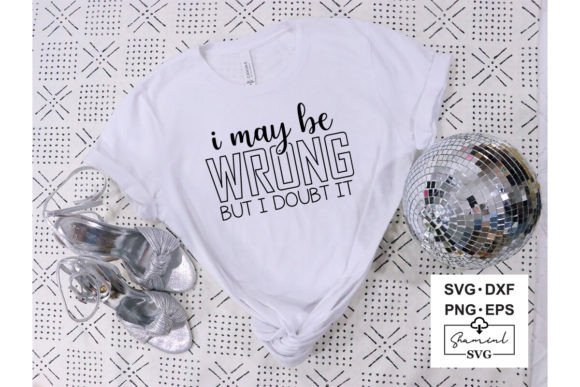
There are moments when a single phrase cuts through the noise and nails exactly how we feel. I May Be Wrong but I Doubt It is one of those lines—equal parts confident, self-aware, and refreshingly honest. Whether you’ve heard it in conversation, read it in a book, or stumbled across it on a podcast, the phrase packs a punch. And it’s not just a clever remark. For many people, this attitude becomes a lens for making decisions, handling criticism, and staying true to their own voice.
But what does it really mean, and why should you care? This article breaks down the mindset behind I May Be Wrong but I Doubt It, explores how it applies to different lives and work, and helps you decide if embracing this kind of straightforward thinking fits your personal style or goals.
What I May Be Wrong but I Doubt It Actually Means
At first glance, the statement sounds like pure stubbornness. But the magic lies in the first half: “I may be wrong.” That small admission of fallibility keeps the door open for growth. The second half—“but I doubt it”—is not arrogance; it’s clarity. You have done your homework. You’ve considered the evidence and your own experience. And you’re standing by that conclusion until new information shows up.
This is not a license to ignore feedback. It’s a framework for trusting your own process while staying humble enough to know you could still be off. The phrase has appeared as a book title, a meme, and a personal motto for people who refuse to water down their opinions for the sake of politeness. It resonates because it captures a very human tension: we want to be confident, but we also know we’re imperfect.
Why Different Audiences Care About This Mindset
The beauty of I May Be Wrong but I Doubt It is that it scales. A beginner might use it to defend a simple idea; a seasoned professional might lean on it when presenting hard-won expertise. Let’s look at how various groups can apply it practically.
Beginners and New Learners
If you’re just starting in a field—say, learning to code, write, or market a product—self-doubt is constant. You wonder if your idea is any good. The “I May Be Wrong but I Doubt It” mindset gives you permission to speak up even when you feel inexperienced. For example, a junior designer might propose a layout change and say, “I may be wrong, but I doubt it—this works better for mobile users.” That mix of humility and conviction earns respect, not criticism. Beginners can use this phrase as a mental shield against imposter syndrome, allowing them to contribute before they feel 100% ready.
Experienced Professionals and Experts
For seasoned pros—consultants, engineers, executives—the phrase becomes a tool for cutting through endless debate. When you’ve been in the trenches for years, you develop strong instincts. Using I May Be Wrong but I Doubt It in a meeting signals that you respect other opinions but also trust your own track record. A marketing director might say it before recommending a costly campaign pivot. The key is that you back the confidence with data and experience. Experts care about reliability and speed, and this mindset helps them make decisions faster without alienating their teams.
Creators and Entrepreneurs
Creators—writers, YouTubers, podcasters—face constant judgment. If you try to please everyone, your work becomes bland. Embracing the I May Be Wrong but I Doubt It philosophy means creating with conviction. You pick a niche, a style, or a controversial take and commit. For example, a blogger writing a hot take on industry trends might start with that phrase to own the opinion while inviting discussion. Entrepreneurs use it when launching products that challenge market norms. They know they could be wrong, but they’re betting on their insight. The long-term usefulness here is staying authentic rather than chasing trends.
Educators and Coaches
Teaching isn’t about having all the answers—it’s about guiding others to think critically. An educator who says “I may be wrong but I doubt it” models healthy confidence for students. It shows that strong opinions can coexist with openness. For instance, a history teacher might use the phrase when presenting a controversial interpretation, then challenge students to find evidence that could prove the teacher wrong. This fosters debate without shutting down curiosity. Educators value the learning value of this approach: it teaches students how to hold a position while staying receptive.
Small Business Owners and Freelancers
When you run your own show, every decision feels high-stakes. Should you raise prices? Change your software stack? Say no to a client? The I May Be Wrong but I Doubt It mindset helps you move forward when the data is fuzzy. A freelancer might charge a premium rate using that phrase internally: “I may be wrong, but I doubt this client will find a better value.” Business owners care about commercial value and practicality. This approach saves time on second-guessing and preserves energy for execution.
Consumers and Hobbyists
Even in everyday life, the phrase has power. A consumer researching which blender to buy, for instance, might watch reviews and then decide: “I may be wrong, but I doubt there’s a better option for under $100.” That’s a purchasing decision grounded in research, not impulse. Hobbyists—gardeners, photographers, musicians—use the same principle when choosing gear or techniques. It helps them stop the endless search for the “perfect” solution and actually enjoy their hobby. For this group, ease of use and personal satisfaction matter most.
How to Evaluate if This Mindset Fits Your Goals
Not everyone needs to walk around saying I May Be Wrong but I Doubt It aloud. But the underlying approach—balanced confidence—is worth testing. Here’s how to decide if it aligns with your skill level, personality, and project type.
- If you struggle with indecision: This mindset can act as a decision-making shortcut. Ask yourself: have I done enough research? If yes, then state your position clearly, even if it feels bold.
- If you overapologize or soften your ideas: Using the phrase as a mental anchor can help you stop prefacing every suggestion with “This might be stupid, but…” Instead, own your contribution.
- If you’re in a collaborative role: Be careful. The phrase works best when paired with real openness to being proven wrong. If you use it to shut down others, you’ll damage trust. Use it to invite debate, not end it.
- If you’re a beginner: Lean on the humility part. Admit you may be wrong, then state your case anyway. That’s how you grow.
- If you’re an expert: Check your ego. The “but I doubt it” part should come from evidence, not reputation. Others will respect you more if your confidence is earned.
Professional Presentation
Imagine you’re a product manager pitching a feature roadmap. You could say, “I think we should prioritize X, but I’m not sure.” Or you could say, “I may be wrong, but I doubt it—X solves the biggest pain point based on user interviews. Here’s the data.” The second version commands attention while leaving a crack for pushback. You’ll get better feedback because your stance is clear.
Creative Work
A freelance graphic designer presents a logo concept that breaks convention. The client hesitates. The designer says, “I may be wrong, but I doubt it—this stands out in your industry precisely because it breaks the pattern. Let’s test it with a small audience.” That combination of conviction and willingness to test makes collaboration productive.
Educational Setting
A coding bootcamp instructor teaches a best practice that some recent articles challenge. Instead of pretending certainty, the instructor says, “I may be wrong, but I doubt this pattern will cause performance issues in your scale. Still, let’s look at the counterarguments.” Students learn that knowledge evolves, and confidence includes staying curious.
Everyday Life
You’re planning a family road trip. Everyone has an opinion on the route. You’ve studied traffic patterns. You say, “I may be wrong, but I doubt taking the coastal road will save time. But if someone has different data, I’m all ears.” You get buy-in, not argument.
Does I May Be Wrong but I Doubt It Match Your Personal Style?
This mindset suits people who value honesty over harmony—but not at the expense of relationships. It works best for those who:
- Have done their prep work but don’t need to be perfect.
- Can handle disagreement without taking it personally.
- Want to speed up decision-making without becoming reckless.
- Prefer direct communication over sugarcoating.
If you’re more conflict-averse or prefer to build consensus slowly, this approach might feel uncomfortable. But even then, you can adopt the internal version: trust your own judgment while staying open. You don’t have to say the phrase out loud to benefit from its logic.
Long-Term Usefulness and Flexibility
Unlike a trend or tool that fades, I May Be Wrong but I Doubt It is a durable principle. It works whether you’re a freelancer, a CEO, a student, or a retiree starting a side project. The balance between humility and confidence is timeless. Over time, using this mindset can improve how others perceive you. You become known as someone who thinks before speaking, stands by their work, but isn’t afraid to say “I was wrong” when the evidence shifts.
That last point is critical. The phrase doesn’t lock you into a position forever. “I doubt it” implies new evidence could change your mind. So the approach remains flexible—you can evolve your opinions without losing face.
What This Means for Different Audiences in Practice
Let’s compare priorities:
| Audience | Key Benefit | Watch Out For |
|---|---|---|
| Beginners | Overcoming self-doubt | Don’t use it to ignore good advice |
| Experienced pros | Faster decisions | Avoid sounding dismissive |
| Creators | Authentic voice | Be ready for criticism |
| Educators | Encouraging debate | Don’t shut down students |
| Business owners | Action over analysis | Validate assumptions with data |
| Consumers | Confident purchases | Stay open to return policies |
This table (in simple HTML) shows how the same phrase serves different needs. Each group takes the core idea—confidence with a gentle escape hatch—and applies it to their own context. The result is a tool that feels personal and practical, not abstract.
Conclusion Doesn’t Exist Here, but the Takeaway Is Simple
You don’t need to tattoo the phrase on your arm. But next time you’re about to hedge your opinion with three disclaimers, pause. Ask yourself: Do I have a good reason to believe this? If yes, then speak with conviction. Let the “I may be wrong” part be your humility, and the “but I doubt it” be your confidence. That balance is what makes the mindset sustainable for anyone—from the newest hobbyist to the most seasoned professional. Whether you’re picking a project, negotiating a deal, or simply sharing your perspective, this approach keeps you honest, bold, and ready to learn.