Interior Empty White Wall with Plant: The Art of Intentional Minimalism
Walk into any space that feels truly restful, and you will likely notice one thing: the walls breathe. Among the most enduring and surprisingly versatile design choices in modern interiors is the combination of an otherwise empty white wall paired with a single plant. At first glance, it appears simple. But this arrangement is far from an afterthought. It is a deliberate visual strategy that balances negative space with living texture, and it has become a quiet cornerstone of contemporary interior styling.
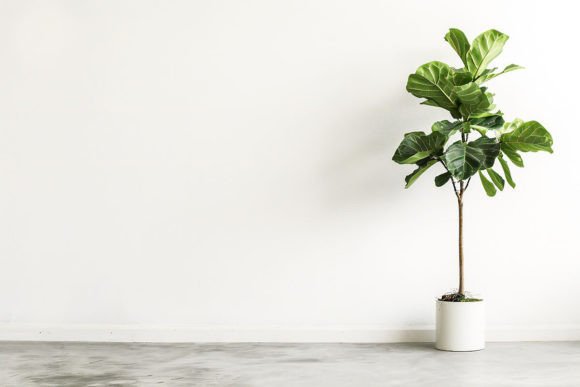
The concept is straightforward: a wall left largely bare, painted white or finished in a light neutral, with one carefully chosen plant placed nearby. There are no gallery clusters, no shelving units, no floating decor. Just the wall, the plant, and the relationship between them. This approach matters because it speaks directly to how we process visual information in our homes and workplaces. In an age of constant notifications, cluttered feeds, and sensory overload, an interior empty white wall with plant offers a rare moment of visual silence. It does not demand attention; it invites it.
Why the Empty White Wall with Plant Feels Right for Now
For much of the past two decades, interior design leaned heavily toward layers. Accent walls in deep navy, gallery walls crammed with mismatched frames, shelves stuffed with objects and books—these were the markers of a curated home. But a quieter shift has been underway. People are reconsidering what a finished wall actually looks like. The empty white wall with plant represents a rejection of the idea that every surface must be filled. Instead, it proposes that emptiness can be a design feature in its own right.
This trend aligns with broader lifestyle changes. Remote work has blurred the line between living and working spaces, making visual calm a practical necessity rather than a luxury. When your video call background is a white wall with a single leafy plant behind you, the effect is professional, composed, and unhurried. It signals intentionality. For creators, entrepreneurs, and freelancers who spend hours in the same room, this arrangement reduces cognitive friction. There is less to process, less to compete for attention, and more room to think.
Bloggers and content creators have also embraced this look because it photographs beautifully without overwhelming the subject. A white wall with a plant provides a clean backdrop that works for flat lays, talking-head videos, and product shots alike. It is flexible, low-maintenance, and never goes out of style. For marketers and business owners, this aesthetic communicates clarity and focus—qualities that resonate with audiences tired of noisy branding.
The Evolution of Negative Space in Interior Design
The empty white wall with plant did not emerge from nowhere. It is part of a longer trajectory in how we think about negative space. Scandinavian design has long championed uncluttered surfaces and pale walls, but traditionally those walls held artwork or textiles to add warmth. The Japanese wabi-sabi tradition also values emptiness, yet often incorporates raw materials and imperfection. What is different today is the intentional fusion of stark minimalism with living elements.
In the early 2010s, the minimalist trend pushed many toward bare interiors, but those spaces sometimes felt cold or impersonal. The addition of a plant solved that problem. A single Monstera, fiddle-leaf fig, or snake plant leaning against a white wall brings life without introducing clutter. Over time, people realized that the wall itself did not need to be the centerpiece. The plant became the focal point, and the wall became the frame.
Social media accelerated this evolution. Platforms like Instagram and Pinterest rewarded images that were simple, bright, and easy to replicate. The hashtag #whitewallwithplant became a quiet archive of how everyday people reinterpreted this idea in apartments, studios, and bedrooms. What started as a niche aesthetic trickled into mainstream interior styling, appearing in catalogues, hotel lobbies, and co-working spaces.
What is notable is that this look has remained relevant even as other trends have come and gone. Maximalism had a resurgence. Japandi emerged. Color drenching happened. Yet the interior empty white wall with plant endured because it is not a trend in the typical sense. It is a functional baseline. It works equally well in a rented studio apartment and a founder’s office. It adapts to changing tastes rather than competing with them.
Practical Implications for Different Audiences
Understanding why this combination works is one thing. Applying it effectively requires thinking about context, care, and purpose. Here are practical considerations for different people who might adopt this approach.
For Homeowners and Renters
If you are living with white walls and wondering how to make them feel intentional rather than unfinished, adding a single plant is the most forgiving intervention you can make. The key is scale. A small succulent on a windowsill does not activate a large wall the way a tall flowering plant does. Consider the proportion of the plant relative to the wall area. A six-foot fiddle-leaf fig near a wide empty wall creates a dramatic vertical gesture. A cluster of smaller plants on a low shelf can work, but the spirit of this look favors singularity. Choose one plant that you genuinely enjoy looking at, and give it room to breathe.
Placement matters more than most people realize. The plant should not be centered like a target. Instead, offset it slightly, roughly one-third of the way from one edge of the wall. This asymmetry feels natural and dynamic. If the wall gets direct light for part of the day, the plant will cast shadows that become part of the composition. Those shadows are free art.
For Creators and Content Professionals
Anyone who produces video or photo content has likely grappled with the challenge of creating a backdrop that looks good on camera without being distracting. An interior empty white wall with plant solves that problem elegantly. It provides a clean field that does not compete with the subject, while the plant adds a touch of organic warmth that prevents the frame from feeling sterile.
For educators and online course creators, this setup is especially useful. Learners need to focus on the material, not on what is hanging behind the instructor. A white wall with a single plant signals professionalism without pretension. It also photographs consistently across different lighting conditions, which simplifies editing and production workflows.
For Entrepreneurs and Business Owners
In commercial spaces, the empty white wall with plant has practical and psychological implications. Clients and customers form impressions within seconds of entering a room. A reception area or meeting room with a bare white wall and a well-maintained plant communicates calm, order, and attention to detail. It suggests that the business values clarity and quality over noise and excess. For small business owners operating on a budget, this is one of the most cost-effective ways to elevate a space without renovation or expensive furniture.
Co-working spaces and boutique hotels have embraced this aesthetic for similar reasons. It works across different demographics and does not alienate anyone. It is neutral in the best sense—not bland, but adaptable.
Choosing the Right Plant for the Wall
Not every plant works equally well in this context. The goal is not to collect greenery but to select a single specimen that can hold its own as a sculptural element. Here are a few categories to consider.
- Tall and architectural: Fiddle-leaf fig, rubber tree, or bird of paradise. These plants create vertical presence and work best in corners or beside doorways.
- Trailing and soft: Pothos, string of pearls, or philodendron. These work well on high shelves or pedestals where the foliage can cascade down the white surface.
- Bold and structural: Monstera deliciosa, snake plant, or ZZ plant. These varieties have strong leaf shapes that stand out against a plain background.
- Minimal and sculptural: Cactus, aloe, or ponytail palm. These work in smaller spaces where a more understated silhouette is desired.
The pot matters too. A plain terracotta or matte ceramic vessel in a neutral tone keeps the focus on the plant. Patterns or bright colors introduce visual noise that undermines the simplicity of the arrangement. If you prefer a colored pot, let it be the only accent in the room.
How Light and Shadow Change the Composition
One of the most overlooked aspects of the interior empty white wall with plant is how it interacts with light throughout the day. A white wall is essentially a reflector. It bounces natural light around the room, making the space feel larger and airier. When a plant is placed in front of it, the wall catches the shadows of leaves and stems, creating an ever-changing pattern that costs nothing and requires no maintenance.
In the morning, shadows stretch long and low. At midday, they sharpen. In the late afternoon, they soften again. This temporal quality adds a layer of interest that no static artwork can replicate. For people who work from home, this subtle shift can become a gentle marker of time passing—a quiet reminder to pause, stretch, or adjust your focus.
Artificial lighting can replicate this effect to some degree. A floor lamp positioned to cast light sideways across the plant will produce dramatic shadows on the wall. Uplighting from the base of the plant creates a more ethereal glow. Experimenting with light placement is a low-risk way to change the mood of the room without moving the wall or replacing the plant.
Maintenance and Longevity
Aesthetic value aside, the interior empty white wall with plant only works if the plant remains healthy. A dying plant propped against a pristine wall sends the opposite message of the one intended. Choose a plant suited to the light conditions of the room. Low-light spaces call for snake plants, ZZ plants, or pothos. Bright indirect light supports fiddle-leaf figs, monstera, and rubber trees. Direct sunlight through a south-facing window will scorch many houseplants, so measure before you commit.
Watering schedules should be realistic for your lifestyle. If you travel frequently or tend to forget, opt for drought-tolerant plants. If you enjoy regular care and notice small changes in leaf color, choose something more responsive like a calathea or a fern. The relationship between person and plant is part of what makes this arrangement meaningful. It is not a static ornament. It is a living thing that requires attention, and that attention can be grounding.
Dusting the leaves and occasionally rotating the plant ensures even growth and prevents the wall from developing shadows of dirt around the pot. The white wall will show any splashes or marks more visibly than a darker surface, so cleaning the area periodically keeps the look crisp.
The Psychological Case for Visual Rest
There is a reason that images of white walls with plants circulate widely in wellness, productivity, and lifestyle content. They tap into a psychological preference for spaces that feel safe, manageable, and restorative. Research in environmental psychology suggests that people process cluttered environments more slowly and with greater cognitive effort. A visually simple room with natural elements can lower stress markers and improve focus.
The interior empty white wall with plant does not require a large budget, a designer, or a renovation. It asks only that you make one intentional choice about what to leave out and one intentional choice about what to include. That combination of restraint and presence is rare in daily life, and possibly more valuable now than ever.
For professionals juggling multiple responsibilities, having one corner of a room that is deliberately sparse can serve as a visual reset. When your environment is calm, your thoughts have a better chance of following suit. This is not about achieving perfection. It is about creating a small pocket of clarity in a world that rarely offers one.
Bringing It All Together
The interior empty white wall with plant is not a passing phase. It is a response to how we actually live, work, and think today. It suits the way we use space, the way we capture images, and the way we need to feel in our own environments. Whether you are a renter looking to make a blank wall feel finished, a creator refining your visual brand, or a business owner shaping how clients perceive your space, this arrangement delivers more than its simplicity suggests.
Start with one wall. Paint it white if it is not already. Choose one plant that you genuinely want to see every day. Place it off-center, let the light move across it, and resist the urge to add more. If you find yourself wanting to reach for another object, pause and ask whether the room truly needs it. More often than not, the empty white wall is not empty at all. It is full of possibility, and the plant is enough.